
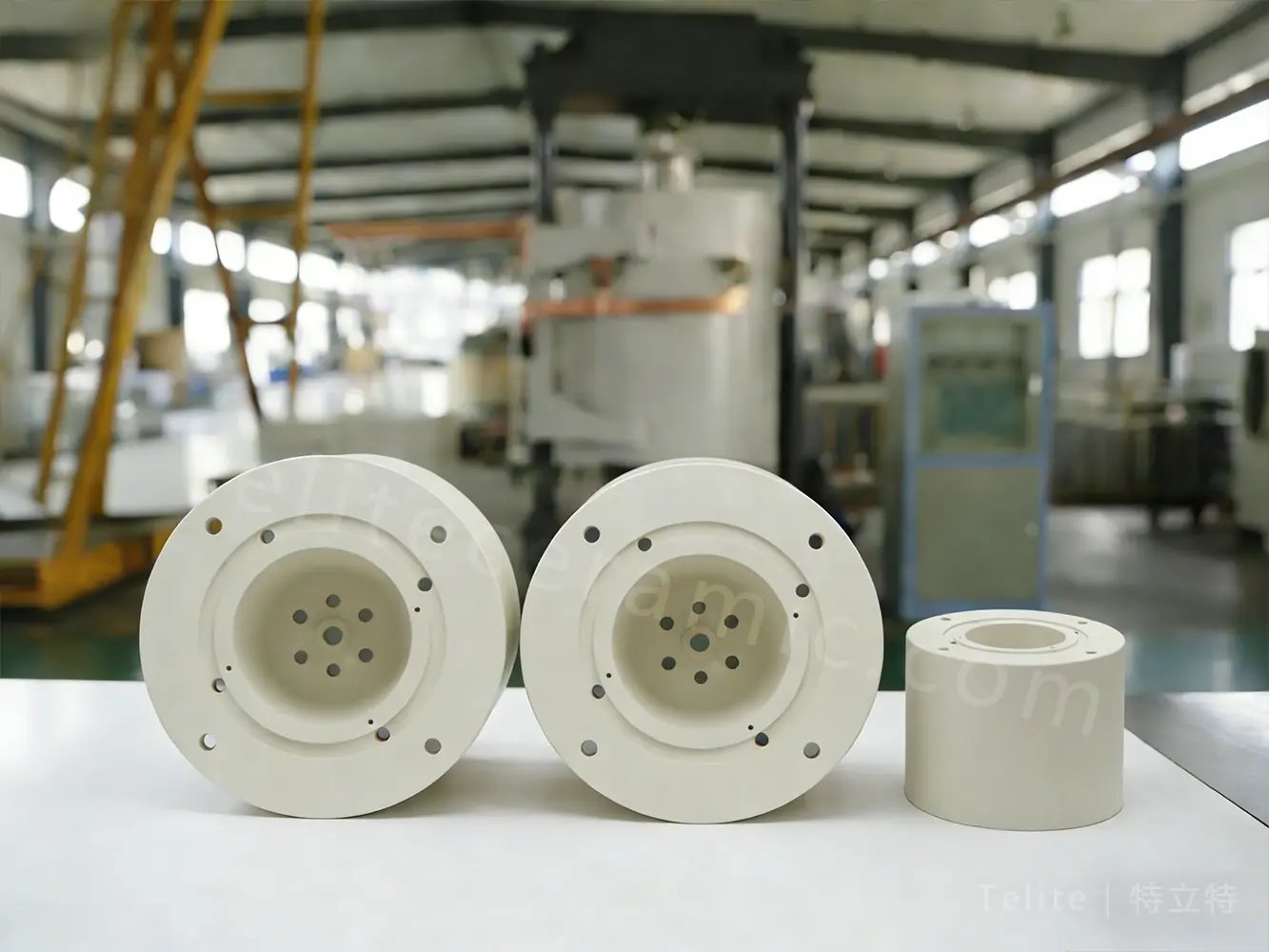
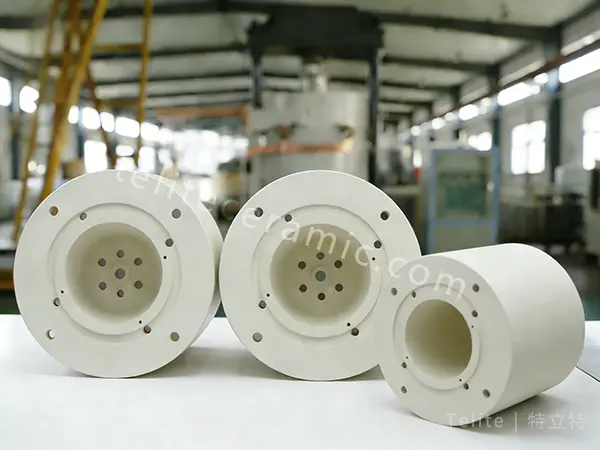
Cathode and Anode Gas Line Ceramic Insulator
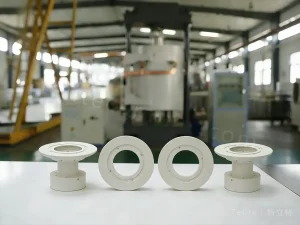
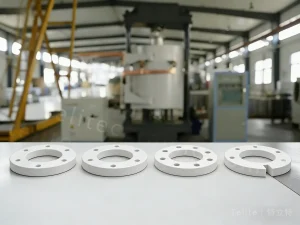
Cathode and Anode Gas Line Ceramic Insulator, Ceramic insulator for cathode anode, Semiconductor gas line insulator, Alumina cathode anode insulator, and Vacuum feedthrough ceramic insulator are mainly used in semiconductor equipment, vacuum systems, gas delivery assemblies, and electrically insulated process structures. These ceramic components are designed for applications that require electrical isolation, dimensional consistency, thermal stability, and suitable chemical compatibility in vacuum or elevated-temperature environments.
According to different equipment structures and service conditions, these products can be machined into insulating sleeves, feedthrough-related ceramic parts, gas line isolation components, stepped insulator bodies, and custom ceramic matching structures. They are commonly used for cathode and anode isolation, gas line separation, electrical insulation, and structural matching in semiconductor processing and vacuum hardware assemblies.
Typical Product Forms
- Cathode and Anode Gas Line Ceramic Insulator for gas line isolation and electrical separation
- Ceramic insulator for cathode anode for custom cathode and anode matching structures
- Semiconductor gas line insulator for process gas line insulation positions
- Alumina cathode anode insulator for high-purity alumina ceramic insulation assemblies
- Vacuum feedthrough ceramic insulator for vacuum-related insulating and matching structures
Material Features of Alumina Ceramic
Alumina ceramic is commonly used in semiconductor and vacuum equipment because of its good electrical insulation, thermal stability, hardness, and machining suitability for precision ceramic components. These characteristics make it suitable for gas line insulators, cathode and anode insulation parts, vacuum feedthrough-related structures, and custom ceramic matching components.
- Alumina cathode anode insulator is commonly used for high-voltage insulation and structural separation positions.
- Semiconductor gas line insulator applications may involve gas passage, matching surfaces, stepped structures, and vacuum-compatible assemblies.
- Vacuum feedthrough ceramic insulator parts can be evaluated according to installation method, vacuum level, and service temperature.
- Material selection can be reviewed according to the actual process environment and equipment requirements.
Machining Features of Ceramic Insulator for Cathode Anode
The Ceramic insulator for cathode anode often requires controlled outer diameter, inner diameter, length, wall thickness, concentricity, and fitting surface dimensions. For parts with thin-wall sections, stepped structures, grooves, gas passages, or custom mounting features, machining feasibility should be reviewed according to drawings, tolerance requirements, and actual assembly conditions. Proper machining control helps improve fitting consistency and service stability.
Applications of Semiconductor Gas Line Insulator and Vacuum Feedthrough Ceramic Insulator
Semiconductor gas line insulator and Vacuum feedthrough ceramic insulator products are commonly used in CVD systems, etching equipment, ion implantation tools, vacuum chambers, gas line assemblies, and other custom process hardware. Depending on the design, these parts may involve feedthrough-related structures, stepped bores, fitting surfaces, sealing-related positions, or other non-standard ceramic insulation geometries.
Custom Machining Capability
- Custom sizes and ceramic structures are available
- Support for sleeves, insulator bodies, feedthrough-related parts, and custom ceramic components
- Support for bores, steps, grooves, fitting surfaces, and custom mounting features
- Suitable for Cathode and Anode Gas Line Ceramic Insulator applications
- Machining can be evaluated according to drawings and actual service conditions
Key Parameters to Confirm
- Outer diameter, inner diameter, length, and wall thickness
- Gas passage dimensions, stepped bores, and fitting surface details
- Tolerance requirements, concentricity, and local structure details
- Working temperature, vacuum level, and process atmosphere
- Gas media, voltage environment, and assembly method
- Cleanliness requirements and packaging expectations
Common Application Scenarios
- Semiconductor gas line insulation assemblies
- Cathode and anode matching insulation structures
- Vacuum feedthrough-related ceramic components
- High-voltage process equipment insulation positions
- Custom ceramic insulators for laboratory and industrial systems
Common Product Names
Depending on the process, drawing habits, and equipment structure, these products may be referred to as Cathode and Anode Gas Line Ceramic Insulator, Ceramic insulator for cathode anode, Semiconductor gas line insulator, Alumina cathode anode insulator, or Vacuum feedthrough ceramic insulator. Different names may correspond to different insulation structures, gas line layouts, and actual service conditions.
Drawing Review Suggestion
For Cathode and Anode Gas Line Ceramic Insulator and related ceramic insulation parts, it is recommended to provide complete drawings, key dimensions, tolerance requirements, working temperature, vacuum level, gas media, voltage environment, and assembly conditions. For Alumina cathode anode insulator and Vacuum feedthrough ceramic insulator applications, confirming the material grade, structural details, and matching hardware in advance can help improve compatibility and service stability.
Related Products
View Structural Ceramics Products
Material Reference
Electrical Insulation Principles
Technical Support: Mr. Zhang | Direct / WeChat: +86-18602175437 | Email: telice@teliceramic.com
Key components: Cathode and Anode Gas Line Ceramic Insulator, Ceramic insulator for cathode anode, Semiconductor gas line insulator, Alumina cathode anode insulator, and Vacuum feedthrough ceramic insulator.

Reviews
There are no reviews yet.