
Boron Nitride Crucible Sticking: Causes & Solutions
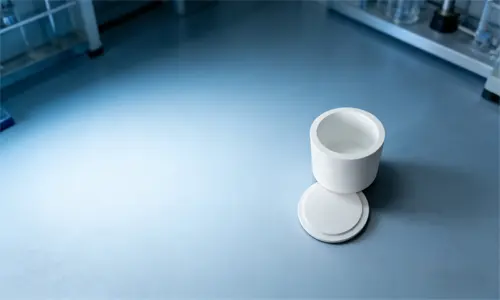
Dealing with boron nitride crucible sticking is a common challenge in high-temperature processes. While BN is inherently non-wetting, factors such as interfacial reactions and surface oxidation often lead to unexpected material residue and release failure.
1) Mechanisms of Boron Nitride Crucible Sticking
To solve boron nitride crucible sticking, you must first identify the mechanism. It generally falls into three categories: wetting-type (melt spreading), reaction-bonded (chemical anchoring), and surface-condition changes (oxidation or roughening).
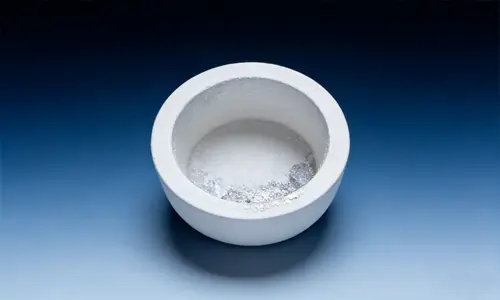
2) Top Root Causes and Fixes
- Atmosphere: Avoid running in air; use vacuum or inert gas to prevent surface glazing.
- Hot Spots: Avoid direct heat focusing on the crucible wall to minimize wetting.
- Material Choice: For ultra-sensitive vacuum processes, evaluate PBN (Pyrolytic Boron Nitride) for zero-porosity performance.
Anti-Sticking Technical Support
Experiencing boron nitride crucible sticking? Contact us for specialized material grade recommendations.
Technical Director: Zhang Gong
Tel / WeChat: +86-18602175437
Email: telice@teliceramic.com
Website: teliteceramic.com